Free assessment · ten questions

Find out what's actually breaking your meetings

Ten questions, about five minutes, and a clear read on where your meetings lose the room (domination, drift or follow-through), plus one thing you can change in the next one. If a facilitated session isn't the fix, the report says that too.

Free · no sales call · your report lands in minutes

Honest either way. If a workshop isn't going to fix the problem, the report says so, and you keep the rest of it regardless.

Q01Who gets the airtime
Q02Who checks out
Q03Where talk drifts
Q04What gets decided
Q05What gets written down
Q06What repeats next week
Q07Who owns the actions
Q08Whose read goes unheard
Q09Where the room stalls
Q10What actually changes
The readA straight verdict

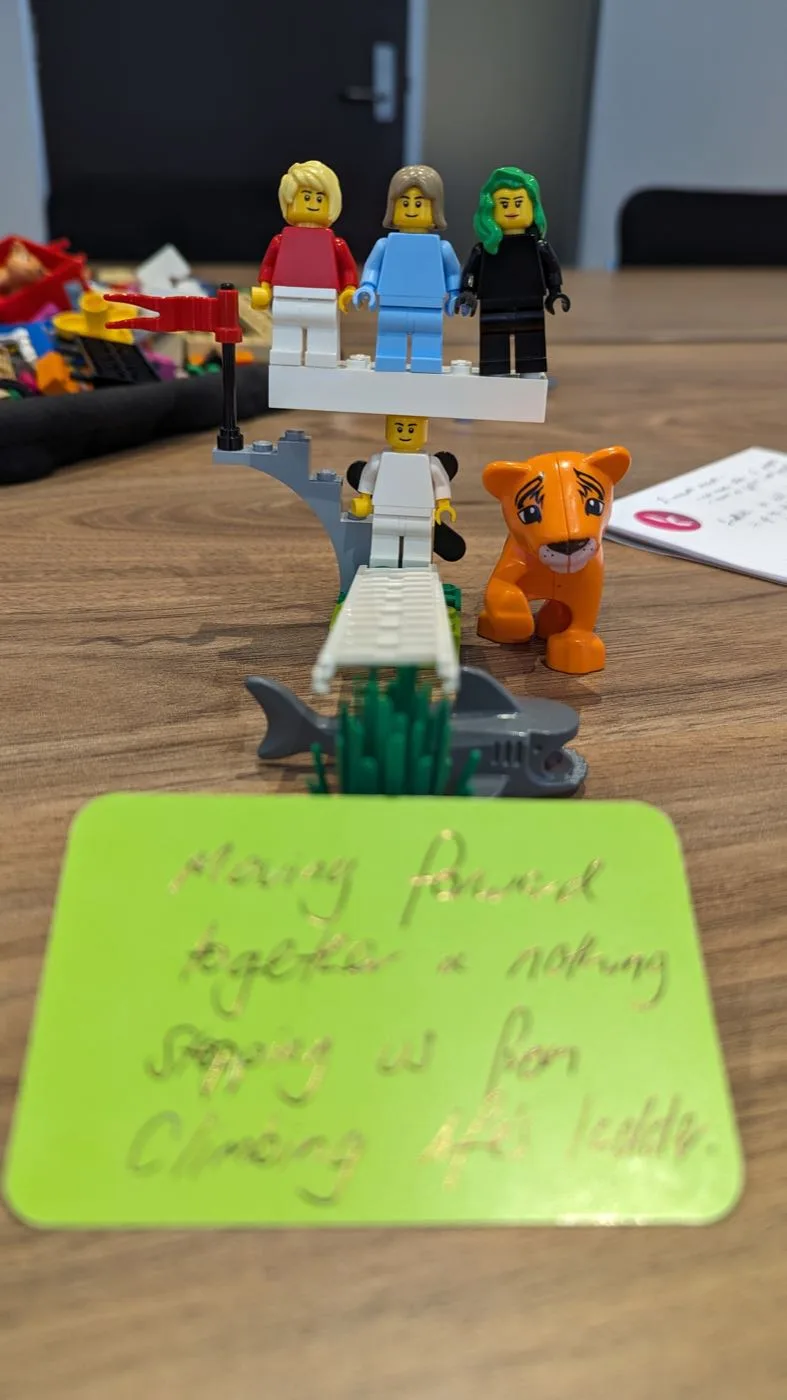
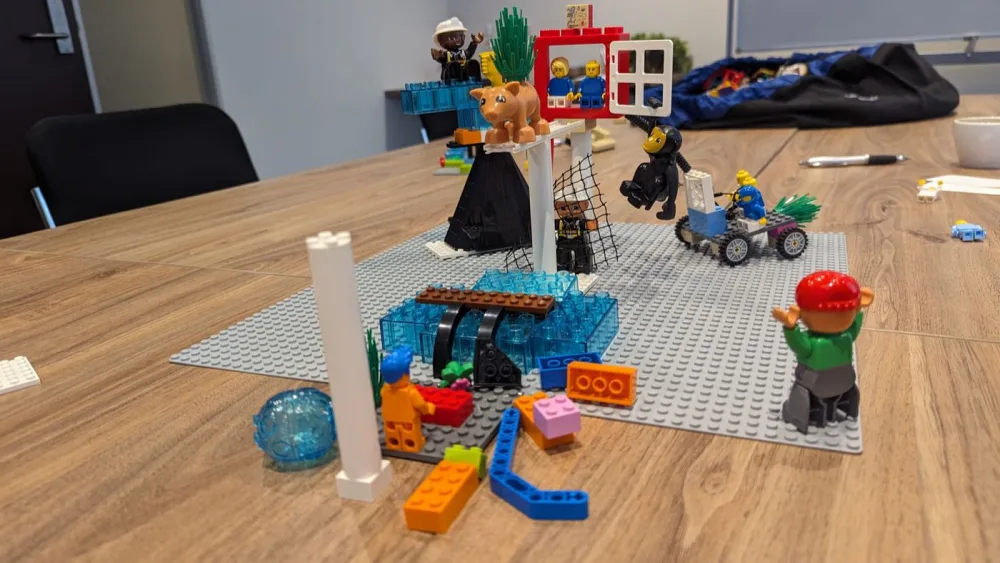
Fig. 01 — ten questions, then an answer. Click the tower to run it again.

10Questions, no fluff
5 minStart to finish
FreeAnd it stays that way
0Sales calls, unless you ask

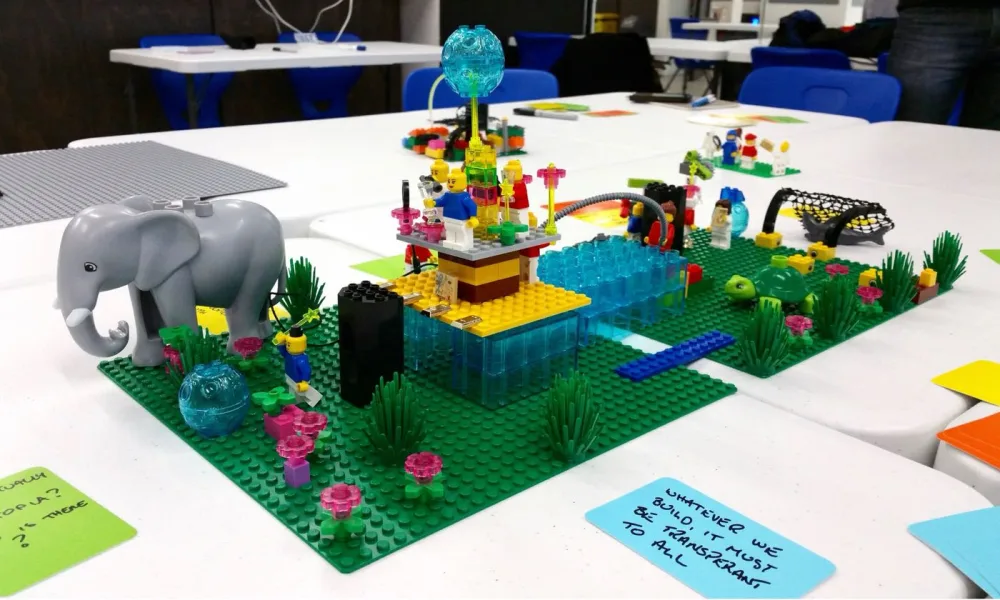
Fig. 02 — the whole deal, in brick form.

What you'll get

Three things land in your inbox.

Written from your answers: a read on your room and what to do about it.

01

Your breakdown point

Where your meetings are losing the room: domination, drift, or follow-through.

02

A straight verdict

Whether LEGO® Serious Play® is likely to help your situation, and why. If it isn't, that's what it says.

03

One fix for Monday

Something practical you can run in your next meeting, even if you never work with Brick Spark. It comes with the report either way.

Half of what this thing exists for is telling you not to book a workshop.

See it first

This is what turns up.

A sample page from the report template, so you know exactly what you're trading five minutes for. Yours is written from your answers, in your situation's own words.

Brick Spark — fit report

Is LEGO® Serious Play® right for your team?

Prepared for you · the morning you finish it
Based on your answers to the ten-question fit assessment

A STRONG FIT

What your sessions are short of is airtime, and that's the specific thing this method is built to change.

What you described

You described a planning session where "the same two people talked for forty minutes" and the rest of the room waited it out, then a follow-up meeting booked to cover what never got raised…

The assessment

Tighter agendas and a shorter invite list were reasonable things to try, and they tidied the structure without changing who spoke. That's the pattern worth naming…

Why this works — the evidence
100%of people in a session build an answer and speak to itThe LSP Method — M. Fearne
76%of Australian workers say meetings are an ineffective use of their timeAtlassian, Workplace Woes: Meeting Edition (2024)
65%of Australian workers have sat through meetings where the goal was never statedAtlassian, Workplace Woes: Meeting Edition (2024)
One fix for Monday
Run this in your next session.

Before any discussion, give everyone four minutes to write their answer on their own, then go round the table and have each person read theirs out before anyone responds. The person who usually opens goes last…

Yours to keep either way. No workshop required, and no bricks needed to try it.

Your next step

Whether or not a session makes sense for you, here's where this leaves you…

Brick Spark — think. create. ignite.brickspark.com.au · 1 / 2

Fig. 03 — a sample page, not a real client's report. Wording changes with your answers; the structure doesn't.

Does this sound familiar?

You've tried the fixes. It's still happening.

If your sessions end like this, the problem is who gets heard. Ten questions read which of these is running your room.

Exhibit A

The same two or three voices dominate

A few people run the room while everyone else quietly checks out, and the best thinking never makes it onto the table.

Exhibit B

Sessions end without a decision

Plenty of discussion and no outcome, so you book another meeting to pick it up next week, and the cycle repeats.

Exhibit C

The quiet, valuable people go unheard

The person with the sharpest read on the problem is often the one who never gets the airtime to say it.

Exhibit D

Agendas and timers haven't fixed it

The standard fixes tidy the structure but don't change participation. A perfect agenda still has two people talking.

If any of those made you wince, the assessment tells you which one is doing the damage.

Get my free verdict →

Ten questions, about five minutes. Your email gets the report and nothing else.

Why trust this

Built by Chris Pepper. You're booking him, not an agency.

Brick Spark is run by Chris Pepper, a certified LEGO® Serious Play® facilitator with 21 years in Australian learning and development, based in Melbourne and travelling Australia-wide. He moved from sales into training in 2005 because getting the best out of people beat closing them, and he's been building rooms where everyone gets heard ever since.

The ten questions are his scoping questions, minus the call. They're what he'd ask before taking any booking, and they carry the same honesty about whether the method fits your room at all. That's why the report can come back with a no, because the conversation it replaces sometimes does.

Certified LSP facilitator 21 years in L&D Melbourne · Australia-wide
Chris Pepper, certified LEGO® Serious Play® facilitator, in a Brick Spark t-shirt LSP Method Certified seal

Fig. 04 — Chris, and what he builds from

21 years in Australian L&D

Chris has worked at organisations like these across his career — they're his prior employers, not Brick Spark clients.

Yellow Pages Sensis WorkSafe Victoria Australian Unity Nine Boral
Isn't this just playing with LEGO?

The bricks aren't the point.

They're the mechanism that changes who gets to think, speak and be heard.

For the arms-crossed crowd

Plenty of people come in skeptical. The arms-crossed "why am I here" crowd are usually the ones who want more by the end, because it was never about the bricks.

"Every training session (and there were quite a few!) was different, engaging, and you somehow managed to make learning fun. Thank you for sharing your knowledge, your patience, and plenty of laughs along the way."

Former colleague, after years of training sessions with Chris — not a Brick Spark client

Fig. 05 — verbatim. The exclamation mark is hers.

Get my free verdict →

Five minutes, and you'll know whether any of this is for your room.

Before you start

Questions worth asking before question one.

What happens to my email address?
Your email gets the report. That's it. No sales sequence, no follow-up calls unless you ask for one, and you can unsubscribe any time. Your answers are used to write your report and aren't shared with anyone else.
What if the answer is no?
Then it says no, in writing, and you keep the rest of the report either way. There are three times a workshop isn't the right call, and the assessment looks for all of them: the decision is already made (buy-in theatre gets sniffed out in ten minutes), it's one person's call (not everything should be built by committee), or there's live conflict (that needs mediation first — come back after). The method earns its keep when the topic is complex, there's no single right answer, and you need everyone's input. Outside that, a well-run meeting is cheaper and faster.
What does a workshop cost?
From AU$2,995 (+GST) for a single-table session, and whole-of-business jobs needing parallel rooms start from AU$7,995. See the full pricing and inclusions. Half of what the assessment does is tell you whether that's money your room needs to spend.
Isn't this just team building with toys?
No. LEGO® Serious Play® was developed inside the LEGO Group as a strategy method, for the moments when talking stops working. The bricks are how every person in the room gets a turn, including the ones who usually stay silent.
The verdict

See where your meetings lose the room

Five minutes now, or another quarter of sessions that end with "let's pick this up next week."

Get my free verdict →

Ten questions · about five minutes · free · your email gets the report and nothing else.